
REVIEW · SAPA
From Hanoi: Sapa 3-Day Medium Trek and Limousine Trip
Sapa rewards walkers. This three-day trip combines mountain scenery and rice terraces with visits to Sin Chai, Y Linh Ho, Lao Chai, Ta Van, and Giang Ta Chai. I like the chance to sleep in a village homestay and see daily life beyond Sapa town. I also like having transport, meals, entrance fees, and an English-speaking local guide included. The main drawback is the long road journey from Hanoi, plus uneven communication and occasional safety concerns during the bus rides.
You should expect a real trek, not a gentle sightseeing tour. The route includes downhill and uphill paths, suspension bridges, muddy sections in wet weather, and roughly 9 kilometers of walking. The homestay may be much more basic than your Sapa hotel, and local sellers may follow you along parts of the trail asking for money or offering goods at high prices.
Key points to know before booking
- Three days cover several important Sapa villages: You visit Sin Chai, Y Linh Ho, Lao Chai, Ta Van, and Giang Ta Chai rather than spending the whole trip in town.
- The homestay is central to the experience: You share meals and accommodation with local families, but facilities vary and privacy may be limited.
- The trek is best for reasonably fit walkers: The route includes steep paths, rice terraces, a bamboo forest, and a waterfall, so comfortable trekking shoes matter.
- The Hanoi transfer takes most of a day: The limousine ride lasts about six hours each way, with the return often reaching Hanoi between 8:30 and 9:30 PM.
- Local guides make a major difference: Guides such as Jo, Ai, Ay, and May have adapted the route to walking ability and added useful local context.
- Weather can change the view quickly: Rain, mist, and cold weather are common from September through March, especially in December, January, February, and March.
Why this Sapa trip works well from Hanoi
Sapa is a long way from Hanoi, and arranging transport, village walks, meals, and a homestay on your own takes time. This package puts the main pieces together for $165 per person. That price covers modern limousine transport between Hanoi and Sapa, local transport in Sapa, a guide, two dinners, three lunches, two breakfasts, entrance tickets, and two nights of accommodation.
I consider that fair value if you want a structured trip with little planning. The cost is less attractive if you only want a short walk or prefer choosing your own hotels and restaurants. You are paying for convenience as much as for the trek.
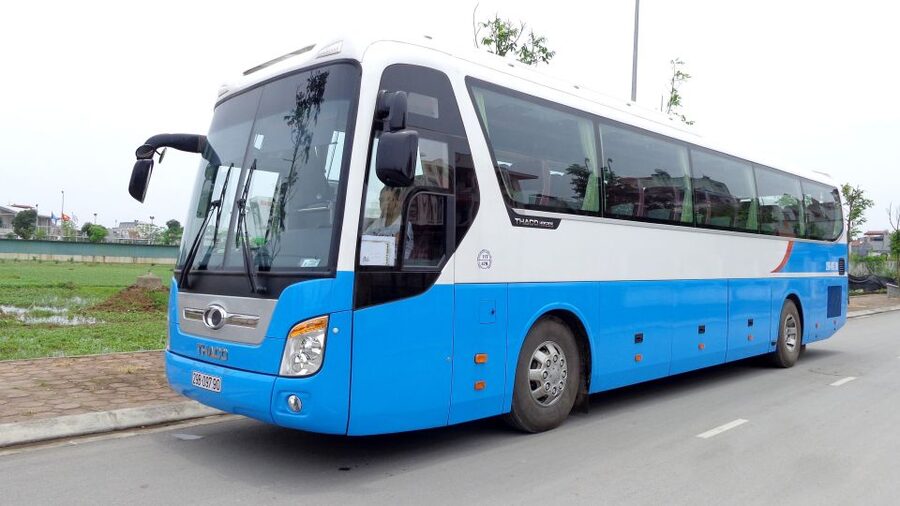
Pickup is normally from your hotel in Hanoi’s Old Quarter around 6:30 to 7:00 AM. The road trip takes about six hours and includes two stops for snacks and restrooms. In practice, timing and communication can be uneven. One reported journey was an hour late, and some stops were shorter than the stated break time. Keep your phone charged, carry water, and do not assume that every stop will last exactly thirty minutes.
More private day trips by car in Vietnam:
- 2-Day Sa Pa Ethnic Homestay Tour & Trek with Limousine Bus
★ 4.8 · 440 reviews - Halong bay 5star Cruise Day Trip: Buffet lunch & Limousine bus
★ 5.0 · 388 reviews - Halong Bay Day Tour 6Hour Deluxe Cruise Limousine Bus Small Group
★ 5.0 · 317 reviews
Day one: Hanoi to Sapa and the quiet paths of Sin Chai
The first day is mostly about reaching the mountains. The limousine is air-conditioned and generally comfortable, but the long ride means you should treat this as a full travel day. Once you reach Sapa, you have lunch at a local restaurant, check into your hotel, and get a short rest before the first walk.
The afternoon trek heads southwest from Sapa toward Sin Chai, about 4 kilometers away. Sin Chai is associated with the Black Hmong people and feels more rural and simple than the center of Sapa. The point here is not a long list of monuments. It is the chance to walk through a living village, see traditional homes, and notice how daily work fits around the hills and fields.
The route offers an easy introduction to the area, though wet weather can make even a short walk slippery. Your guide should set the pace and explain what you are seeing. Guides such as Jo and Ai received especially warm praise for giving clear timing updates, sharing local knowledge, and adjusting the route when parts became too hard.
After the walk, you return to the hotel to clean up before dinner. You can then explore Sapa at night. Roasted corn and baked eggs cooked beside charcoal fires are simple local snacks, and the evening gives you a chance to shop or walk around town without a packed schedule.
That first night may be in Sapa or at a homestay, depending on the arrangements and conditions. The accommodation plan can change, so do not assume that the homestay always comes on the same night.
Day two: Muong Hoa Valley, Y Linh Ho, Lao Chai, and Ta Van
The second day is the main walking day. After breakfast, you check out and begin toward Muong Hoa Valley. The route follows the main road for about an hour before turning onto a footpath that drops into the valley.
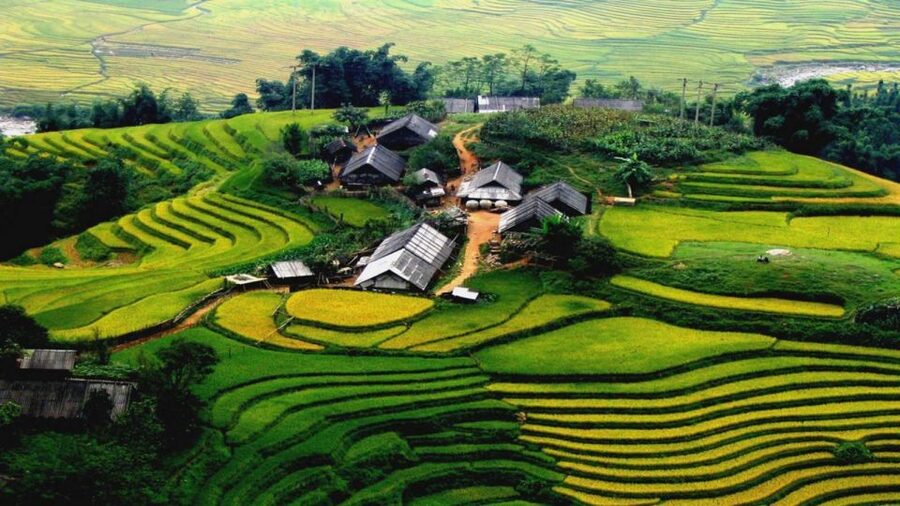
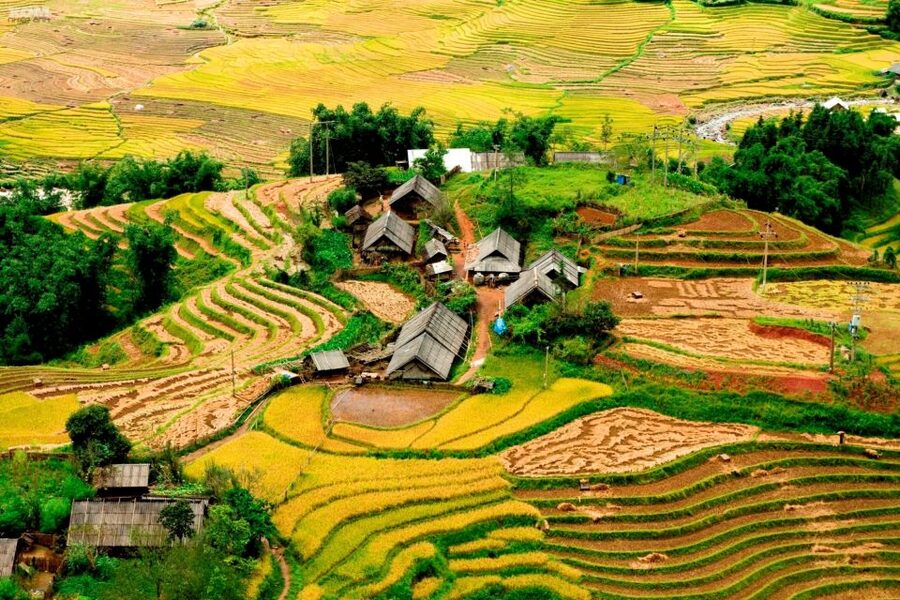
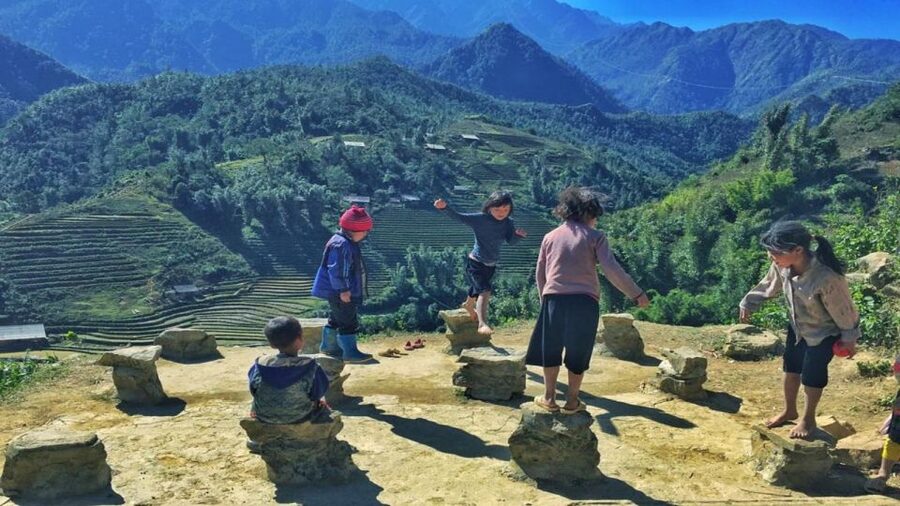
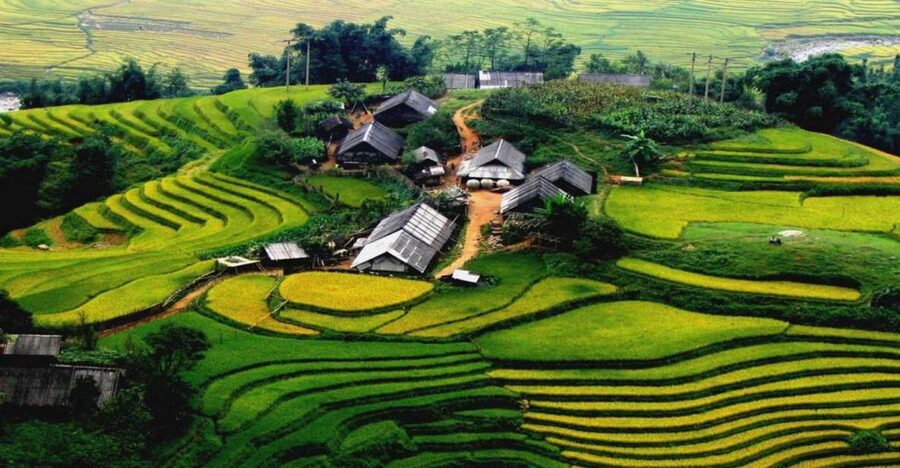
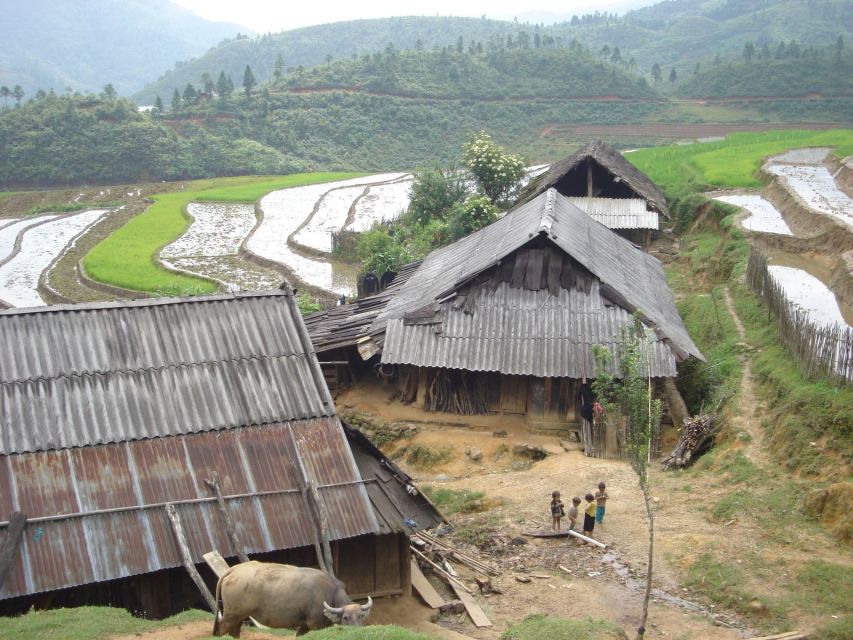
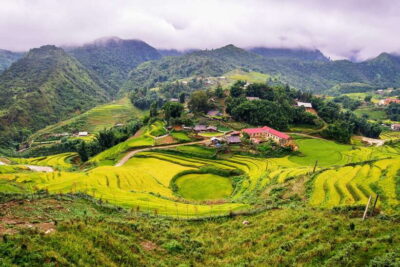
This is where the scenery becomes the main attraction. You see rice terraces spread across steep hills, with the Hoang Lien Son mountain range rising around them. Fog and rain can hide the higher peaks, but the weather can also clear quickly. One useful lesson from past trips is to keep going even if the morning looks gray. Rainy conditions have still produced memorable views, and one walk cleared on the final day.
You cross a suspension bridge to reach Y Linh Ho, where you can visit Hmong families and watch ordinary work taking place. The value of this stop is its direct contact with village life. You are not simply looking at terraces from a viewpoint. You are walking through the area where people live and work.
Lunch comes after the first part of the trail. From there, you continue through the hills for about two hours toward Lao Chai, a Hmong village. The route follows the river bank before continuing to Ta Van, home to the Zay people.
The day can be physically demanding. Downhill sections often feel harder on the knees than expected, and the route becomes more tiring after lunch. The advertised trek is not recommended for older people or children, and the trip is unsuitable for people with mobility impairments. If you are unsure about your fitness, tell the guide early. Several guides have adjusted paths and pace to suit the group, but this remains a walking trip rather than a casual village outing.
Ta Van is the cultural high point for many people. You visit local homes and spend the evening at a homestay. Meals are included, and you may have the chance to help prepare food if you want to take part. The appeal is the shared setting: you see how a family receives visitors, eat together, and spend a night outside the hotel routine.
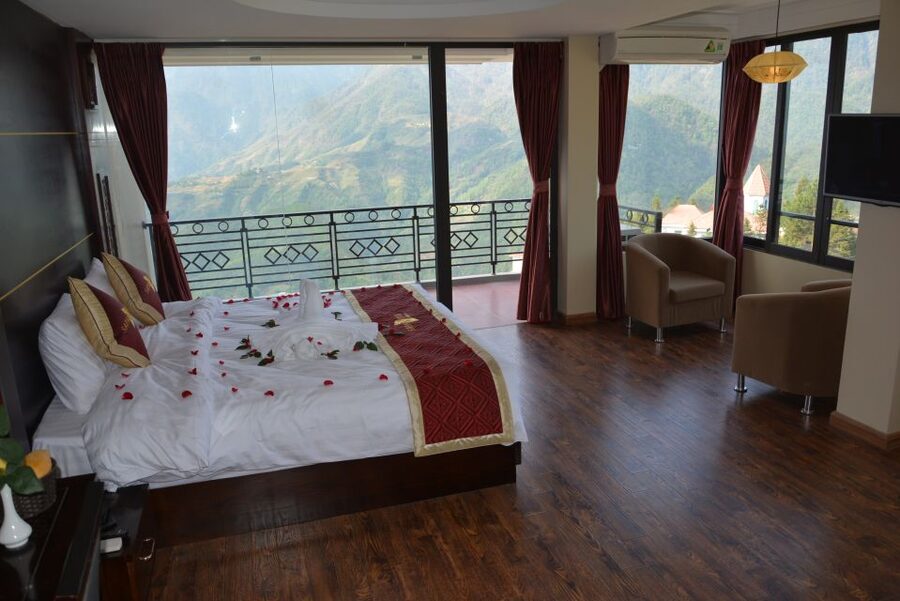
You should also set realistic expectations. A homestay is not automatically a private guesthouse. One arrangement was described as a large open dormitory with mattresses on the floor, little privacy, and one bathroom shared by many people. Other homestays were clean, comfortable, and better than expected. The standard can vary, so ask what accommodation type is included before you book if privacy matters to you.
Day three: bamboo forest, waterfall, and Giang Ta Chai
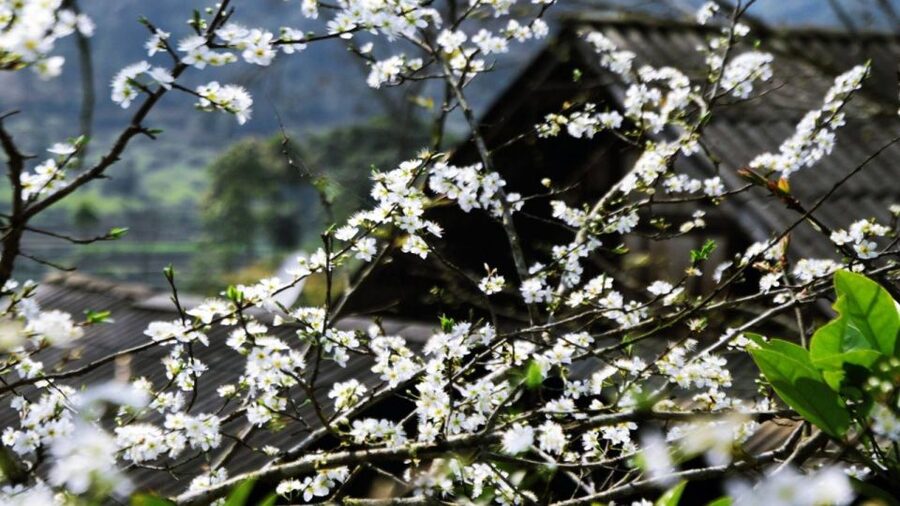
After breakfast, you leave Ta Van and take an uphill trail through terraced fields and small Hmong hamlets. This section gives you a different view of the valley, with more climbing and a quieter feel than the route through the larger villages.
The trail continues through a bamboo forest to a waterfall. The waterfall is a natural rest point, particularly after the climb. You have time to pause before walking for another thirty minutes toward Giang Ta Chai, a village linked with the Red Zao people.
Lunch is served near the village. After eating, you have time to rest and prepare for the return journey. The limousine pickup is scheduled for 2:00 PM, so do not expect a full afternoon of sightseeing in Sapa. The drive back to Hanoi takes five or six hours, depending on traffic, with arrival usually around 8:30 to 9:30 PM.
That return timing affects your next day. If you have an early flight, train, or important appointment in Hanoi, leave plenty of room for delays. The long ride is one of the clearest compromises in this trip. You gain easy access to Sapa without arranging a separate transfer, but you spend roughly twelve hours on the road across the first and final days.
A few more limousine trips in Vietnam worth a look
- From Hanoi: 2-Day Sapa Trek Tour – Luxury Limousine Transfer
★ 4.1 · 249 reviews - From Hanoi: 3-Day Sapa Trekking with Limousine Transfer
★ 4.3 · 30 reviews - Sa Pa 2-Day Moderate Trek and Homestay Limousine Tour from Hanoi
★ 4.5 · 21 reviews - Ninh Binh 1 Day Trip With Mua Cave and Dragon Mountain Hiking
★ 5.0 · 12 reviews
The guides can shape the whole experience
The strongest part of this trip is often the local guide. Jo was praised for setting a comfortable pace, explaining the itinerary clearly, and giving useful updates about meals, arrival times, and luggage. Ai was described as especially helpful when sections became difficult, while Ay adjusted the route to suit the group. May kept the walk upbeat during heavy rain.
Those details matter. A guide who grew up in the region can explain village customs and the differences between the Black Hmong, Hmong, Zay, and Red Zao communities in a way that a printed route cannot. A good guide also helps you handle muddy paths, changes in weather, and the occasional confusion around transport.
Guide arrangements can be less smooth on the first day. Some people did not meet their guide until the second day, and one late pickup meant part of the first trek began after dark. Confirm the meeting point and guide contact details before departure if possible. If the bus or pickup feels unclear, ask the operator rather than waiting silently.
The difficult issue of local sellers on the trail
The operator specifically warns that local ethnic people may walk with the group for much of the trek and ask for money or try to sell handmade goods at inflated prices. This can feel awkward, especially when the person has walked beside you for a long time.
The practical advice is simple: stay with your guide, remain polite, and do not feel pressured to buy. Carry small amounts of cash for legitimate personal spending, but do not display a large wallet. This issue is common enough in the area that you should prepare for it before you arrive.
The presence of sellers does not erase the value of visiting the villages, but it can affect the sense of quiet and authenticity. The guide can help you keep moving and focus on the walk rather than repeated sales pitches.
Food, accommodation, and what the price includes
You receive two breakfasts, three lunches, and two dinners. That removes much of the daily meal planning, though drinks and personal expenses are extra. Carry Vietnamese dong because card payments and local banking services may not always work well in Sapa. US dollars, euros, and Australian dollars are also accepted in Sapa, but local currency is the safer choice for small purchases.
The accommodation includes two nights, with the exact arrangement depending on the selected option and circumstances. One night may be in a Sapa hotel and one at a village homestay, but the order can change. The hotel offers a more familiar standard, while the homestay trades privacy for a closer look at local life.
Bring medicine you may need, insect repellent, sunscreen, sunglasses, and warm layers. Sapa can be cold from September through March, and a scarf, hat, or cap is useful. Fog is especially possible in December, January, February, and March. Comfortable shoes are listed as essential, but I would choose proper trekking shoes with good grip.
Who should book this three-day trek?
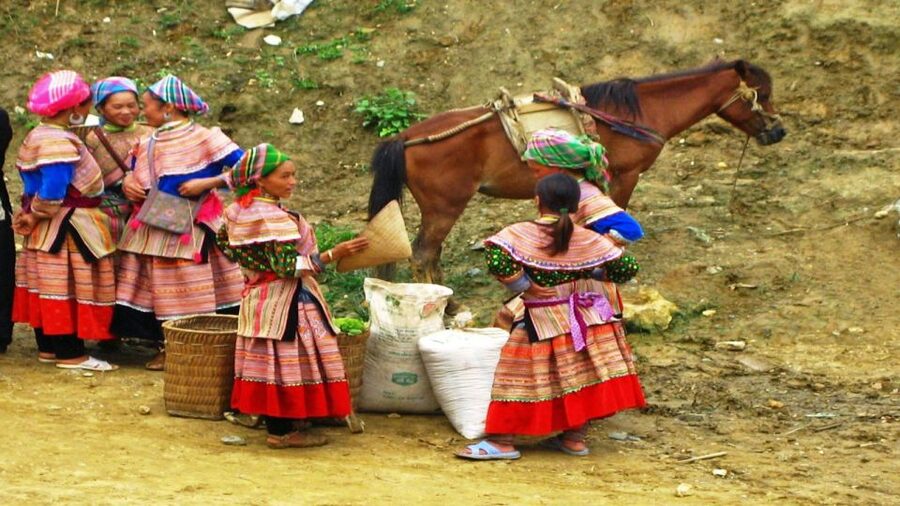
I would recommend it to you if you want to see rice terraces and ethnic villages without spending several days arranging transport from Hanoi. It suits active adults who are comfortable walking for several hours and accepting basic accommodation for one night.
It is also a good fit if you value a local guide and prefer having meals, transport, and entrance fees handled in one booking. Families with older children may manage the route, but the 9-kilometer trek is not recommended for children in general. People with mobility problems should choose a less demanding Sapa experience.
I would be cautious if you need private rooms, quiet transport, precise departure times, or luxury facilities. The road journeys can be tiring, the bus communication may be unclear, and the homestay may involve shared sleeping space. You should also be ready for rain, fog, mud, and persistent sales approaches on the trail.
Should you book it?
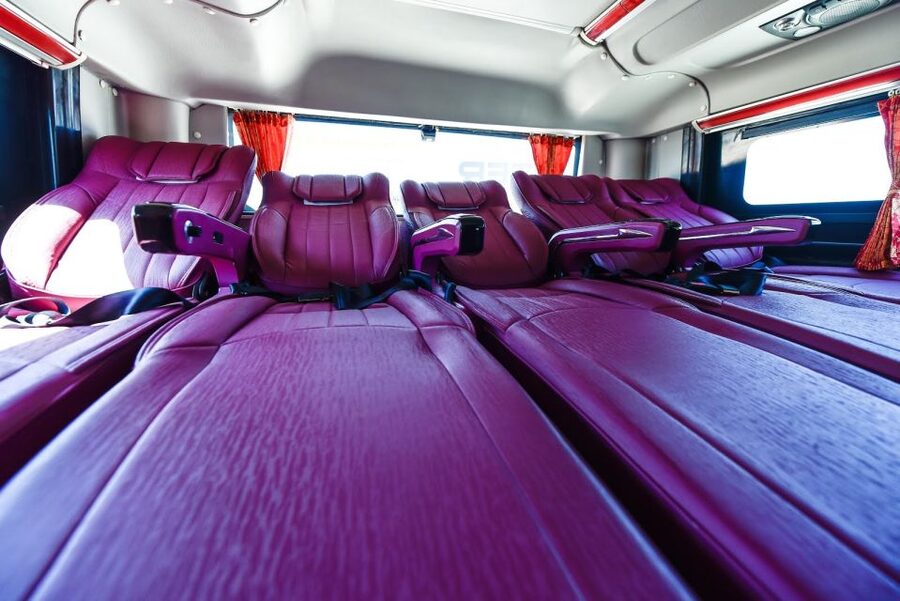
Book this trip if your priority is seeing Sapa’s villages and terraces in a short, organized visit. The best reasons are the local guides, the route through several distinct communities, and the chance to share a homestay meal rather than simply stopping at a viewpoint.
Skip it if you want a slow luxury break or a private trek with guaranteed hotel standards. Before paying, ask about the expected homestay setup, confirm pickup details, and plan for a late return to Hanoi. For fit walkers who accept a little discomfort in exchange for direct contact with mountain village life, $165 is a sensible price.
FAQ
How long is the trip from Hanoi to Sapa?
The limousine journey from Hanoi to Sapa takes about six hours, with two stops for snacks and restrooms. The return journey takes five or six hours, depending on traffic.
Where does pickup take place in Hanoi?
Pickup is included from accommodation in Hanoi’s Old Quarter, usually around 6:30 to 7:00 AM.
How difficult is the trekking?
The trip includes roughly 9 kilometers of trekking, with downhill and uphill paths, a suspension bridge, terraced fields, a bamboo forest, and a waterfall. It is not recommended for older people or children and is unsuitable for people with mobility impairments.
Is the homestay private and hotel-like?
Not necessarily. Homestay facilities are not the same as hotel facilities, and the setup can vary. You may have a basic shared sleeping area with limited privacy, so ask about the selected accommodation option if this is important to you.
What meals are included?
The trip includes two dinners, three lunches, and two breakfasts. Drinks and personal expenses are not included.
What should I bring?
Bring trekking shoes, comfortable clothing, warm layers, a scarf, hat or cap, sunglasses, sunscreen, insect repellent, required medicine, and cash in Vietnamese dong. The weather can be cold, rainy, or foggy, particularly from September through March.
More 3-Day Experiences in Vietnam
- From Hanoi: Premium 3-Day Sapa Adventure with DCAR Limousine
★ 4.8 · 27 reviews - 3-Day Sapa Tour from Hanoi by Luxury Limousine Transfer
★ 3.5 · 7 reviews - Sapa 3D2N Homestay and Hotel Experience by Limousine Bus
★ 5.0 · 5 reviews
Just added in Vietnam
- Light Cruise – Luxury Halong Day Cruise ( Limousine – Expressway – Small Group)★ 5.0 · 2 reviews
- Morning limousine D-car 8-seat transfer to Hanoi depart from Sapa Town center★ 3.0 · 2 reviews
- Daily Limousine Bus: From Ninh Binh to Hanoi★ 3.5 · 2 reviews
- Da Nang – Hue: Daily Limousine Bus★ 4.5 · 7 reviews
- Ninh Binh 2D1N Excursion from Hanoi by Limousine★ 4.5 · 6 reviews
- BIG BOSS private LIMOUSINE DAY TRIP TO MEKONG DElTA★ 5.0 · 7 reviews
- Hoi An – Hue: Daily Limousine Bus★ 3.0 · 2 reviews
- Hanoi : Halong Bay 7-Hour Luxury Cruise with Limousine Transfer★ 4.0 · 4 reviews
Private Day Trips by Car, compared.
2-Day Sa Pa Ethnic Homestay Tour & Trek with Limousine Bus
Read our review →
Halong bay 5star Cruise Day Trip: Buffet lunch & Limousine bus
Read our review →
Halong Bay Day Tour 6Hour Deluxe Cruise Limousine Bus Small Group
Read our review →
2-Day Sapa Trek Tour – Luxury Limousine Transfer
Read our review →
2-Day Overnight Sapa Tour by Luxury Van Limousine
Read our review →
Ninh Binh Luxury Day Tour by Limousine- Small Group- All included
Read our review →
Ninh Binh Day Tour Tam Coc Mua Cave Hoa Lu Buffet Lunch Limousine
Read our review →Browse the lists this tour appears in