
REVIEW · HANOI
From Hanoi: 3-Day Sapa Trekking with Limousine Transfer
Mountain air comes with serious walking. This three-day Sapa trip combines comfortable limousine transport with village treks, local food, and time with H’Mong, Dzao, and Tay communities. I like the easy first afternoon in Cat Cat, which helps you settle in, and I like that the second day reaches quieter villages beyond the usual short walks. The main caution is simple: the 12 to 15 kilometer trek can be hard, especially after rain.
You also get useful local guidance without giving up all your free time. Guides Me and Trang received especially warm praise for their English, humor, and understanding of local life. I would give this trip serious thought if you want Sapa’s rice terraces and villages but do not want to arrange transport, hotels, meals, and walking routes yourself.
The tradeoff is time. The drive from Hanoi takes about five and a half hours each way, and dinners, drinks, and the Fansipan cable car are extra. At $199 per person, the price is reasonable for the transport, two nights, guide, meals, and entry fees, but this is not a quick weekend hop.
Five things to know before you book
- The second day is the real test: Expect 12 to 15 kilometers through rice terraces and remote villages, with rain making the route harder.
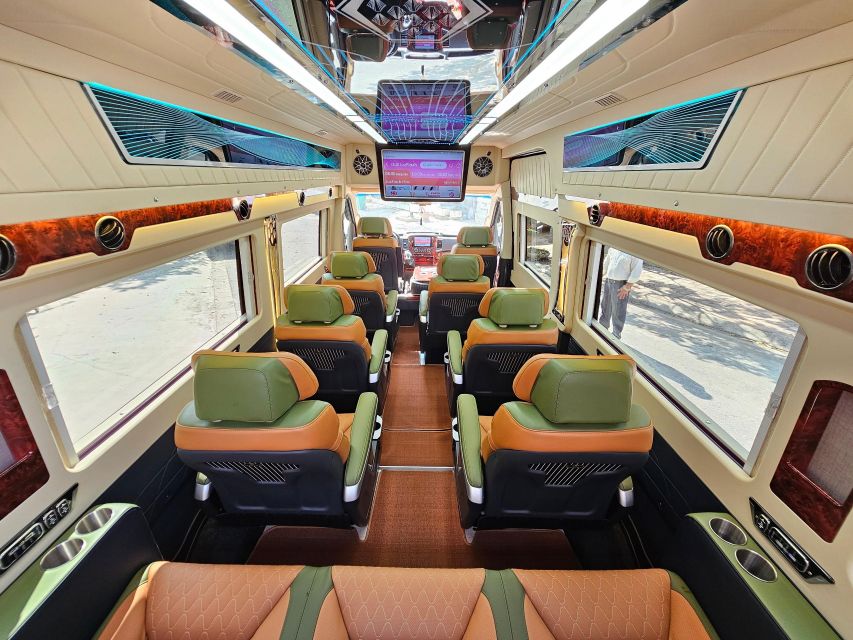
- The limousine saves energy: The modern, air-conditioned minivan breaks up the long Hanoi to Sapa ride with a couple of stops.
- Cat Cat is an easy introduction: The roughly four-kilometer, two-hour walk gives you a first look at Black H’Mong life near Mount Fansipan.
- You meet several ethnic communities: The route introduces you to H’Mong, Dzao, and Tay people, with a local English-speaking guide to explain daily life.
- Your third morning is flexible: You can stroll through Sapa, buy a Fansipan ticket, or simply rest before the return trip.
- Pack for quick weather changes: Warm clothing, trekking shoes, sunscreen, insect repellent, and Vietnamese Dong all matter here.
The long road from Hanoi to Sapa
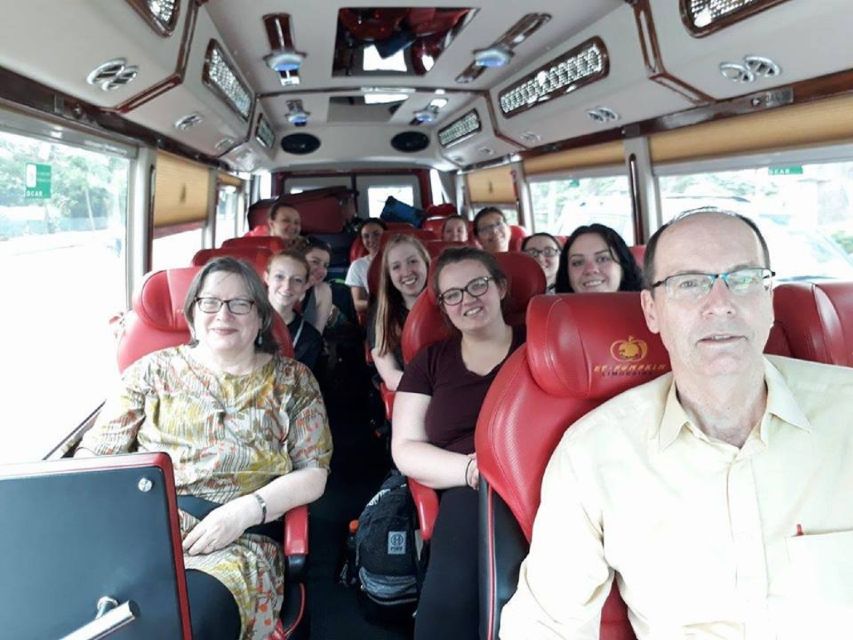
Pickup is available in Hanoi’s Old Quarter, with the stated meeting point at 31 P. Lò Sũ. The vehicle leaves around 6:45 to 7:00 in the morning, so you need to be ready early. The ride to Sapa takes about five and a half hours, including a couple of breaks.
I like the limousine idea for this route. Sapa sits high in the northern mountains, and the road trip is long enough that a cramped vehicle would take some shine off the trip. A modern, air-conditioned minivan gives you a more comfortable base for the journey, though you should still expect much of your first day to be spent getting there.
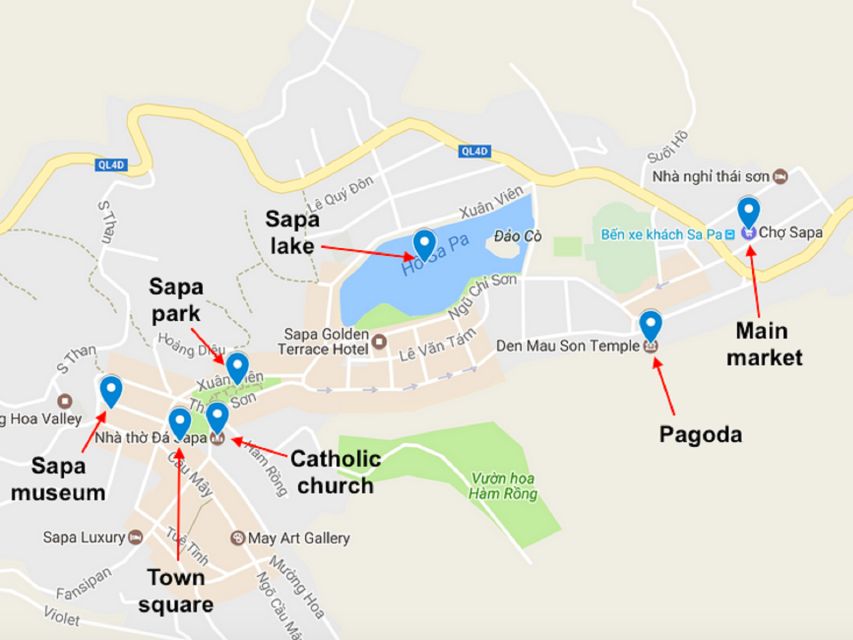
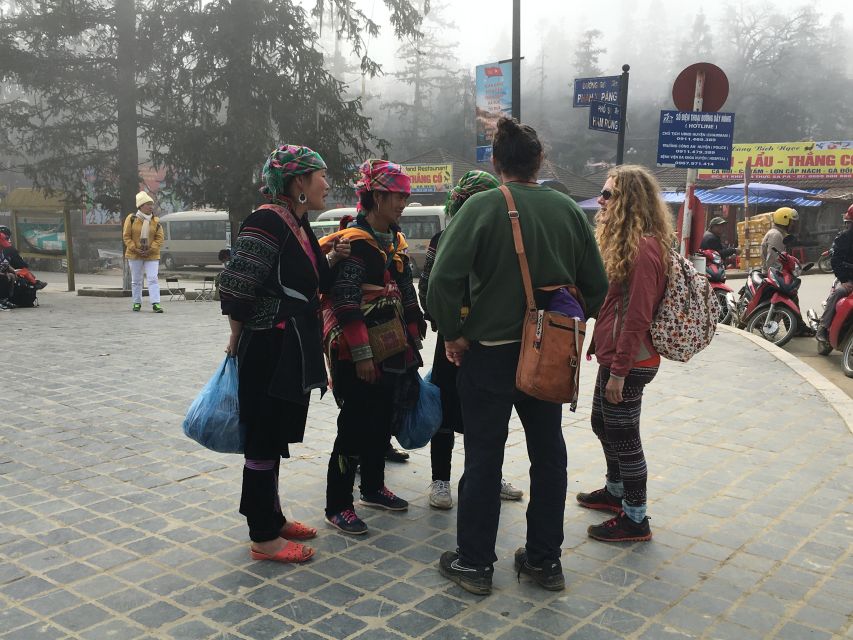
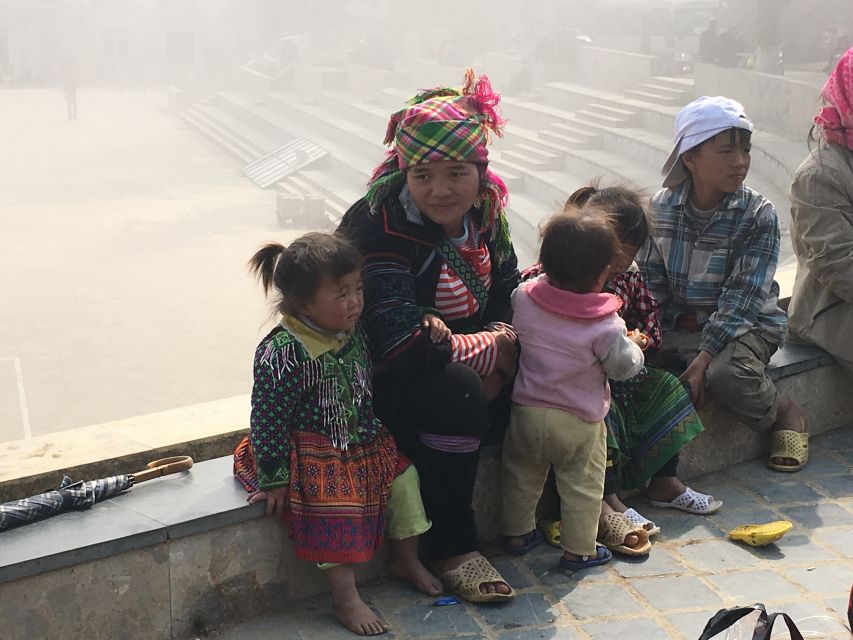
You arrive around 12:30 PM. The welcome includes contact with members of local H’Mong, Dzao, and Tay communities, often dressed in colorful traditional clothing. This is a brief cultural introduction rather than a full village visit, but it gives you useful context before the walks begin.
Lunch comes before hotel check-in. Three lunches and two breakfasts are included, which helps control the cost in a mountain destination. You still pay for both dinners and drinks, so keep some Vietnamese Dong handy. The banking system in Sapa can be unpredictable, and the practical advice is to carry cash. U.S. dollars, Euros, and Australian dollars are also accepted in Sapa, but Vietnamese currency is the safest choice.
More private day trips by car in Hanoi:
- 2-Day Sa Pa Ethnic Homestay Tour & Trek with Limousine Bus
★ 4.8 · 440 reviews - Halong bay 5star Cruise Day Trip: Buffet lunch & Limousine bus
★ 5.0 · 388 reviews - Halong Bay Day Tour 6Hour Deluxe Cruise Limousine Bus Small Group
★ 5.0 · 317 reviews
Cat Cat Village and the first afternoon walk
At about 2:30 PM, you set off for Cat Cat village. This is home to the Black H’Mong and sits at the foot of Mount Fansipan, Vietnam’s highest mountain. The first trek covers roughly four kilometers and takes about two hours.
This is the gentler part of the program. You walk down into the valley while your guide explains local daily life. The word easy should still be taken in relative terms, since the route includes a descent and mountain paths rather than a flat town stroll. Comfortable shoes are essential.
Cat Cat works well on the first day because it gives you scenery and local contact without immediately demanding the full effort of the longer second-day route. You can look around, take photographs, and start to understand how the villages relate to the surrounding hills.
After the walk, you return to Sapa for dinner on your own. This is a useful break in the schedule. You are not tied to another organized evening activity, so you can choose your own meal and spend time exploring town. Since dinner is not included, ask the hotel for local suggestions if you do not already have a plan.
The hotel or homestay depends on the option you choose. If you select the homestay, expect basic amenities. That can be part of the appeal for someone seeking a closer connection to village life, but it may not suit you if you want polished hotel facilities after a day on foot.
Lao Chai, Ta Van, Y Linh Ho, and Ban Ho
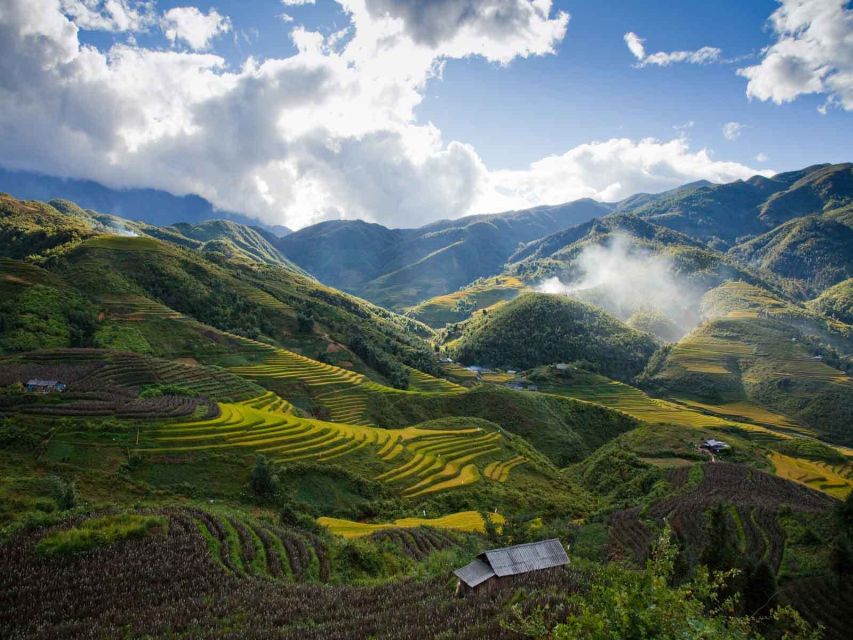
Day two is the heart of the trip. After breakfast, you face a challenging 12 to 15 kilometer trek through rice terraces and mountain villages. This is the day that determines if the tour is a good match for you.
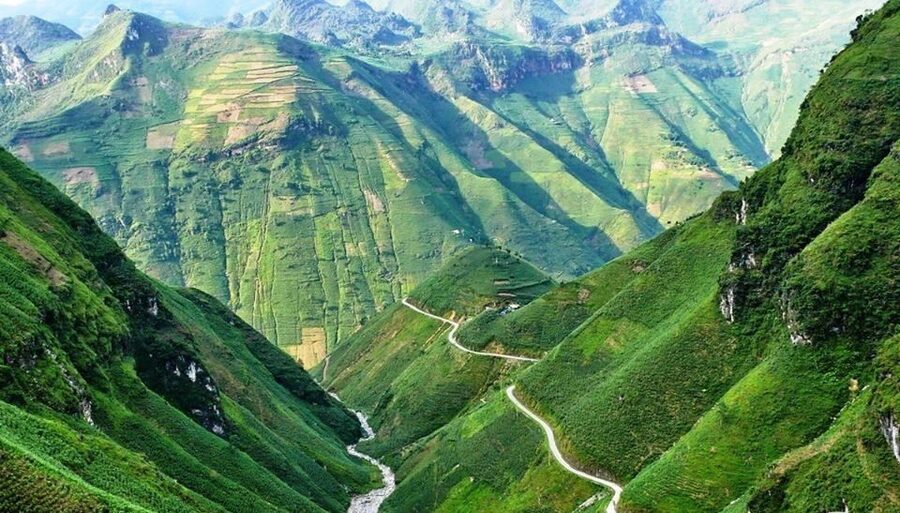
The first section covers about five kilometers to Lao Chai, a Black H’Mong village. Walking through the rice terraces gives the route its strongest visual appeal, but the terrain and weather can change the effort required. Rain can make paths slippery and tiring, so bring proper trekking shoes rather than relying on casual sneakers.
From Lao Chai, the route continues to Ta Van, described as home to the Dzao ethnic minority. You have a guided visit, time for photographs, and views along the way. The value here is not just the scenery. A local guide can explain the people and customs you are seeing, turning a walk through farmland into a better understanding of the communities that live there.
The route then continues toward Y Linh Ho and Ban Ho. These more remote stops are important because they take you beyond the best-known Sapa viewpoints and into areas with fewer tour groups. The stated aim is contact with real local hill-tribe life, though you should keep your expectations grounded. This remains an organized tour, not an independent stay in a remote village.
The second day asks for stamina. The tour is not suitable for people with mobility difficulties, and children under six cannot join. Even if you regularly walk, 12 to 15 kilometers on uneven mountain paths is different from a long city walk. I would choose this trip only if you are comfortable with a full day outdoors and can manage changing surfaces.
The reward is a stronger sense of place than you get from a short viewpoint visit. You see how the villages, terraces, and mountain routes connect. You also return to the hotel with a free evening, rather than adding another scheduled activity when your legs may be tired.
Sapa town and the open third morning
The final morning is deliberately loose. After breakfast, you can explore Sapa town, arrange a visit to Fansipan Peak, or take a slow morning after the demanding trek.
Fansipan is not included. You need to buy your own ticket, and the hotel receptionist can help with arrangements. This separation is useful because not everyone wants another major outing after Day 2. If Fansipan is a priority, use the free morning to ask about ticket availability and timing. If the weather is foggy, you may prefer to keep the morning simple.
Cold weather is common from September through March because of Sapa’s altitude. Fog is sometimes present in December, January, February, and March. That matters most for mountain views and Fansipan plans. Bring layers, including a scarf, hat, or cap, rather than assuming the town will feel mild.
You check out at 11:30 AM and have lunch before leaving. The return vehicle departs around 2:30 PM and reaches your Hanoi hotel at about 9:00 PM. This makes the third day useful but not especially short. You arrive back late, so do not plan an early evening appointment in Hanoi unless you have plenty of flexibility.
A few more limousine trips in Hanoi worth a look
- From Hanoi: 2-Day Sapa Trek Tour – Luxury Limousine Transfer
★ 4.1 · 249 reviews - Sa Pa 2-Day Moderate Trek and Homestay Limousine Tour from Hanoi
★ 4.5 · 21 reviews - Ninh Binh 1 Day Trip With Mua Cave and Dragon Mountain Hiking
★ 5.0 · 12 reviews - 2-Day Sapa Trekking Tour from Hanoi by Luxury Limousine
★ 3.5 · 6 reviews
What the $199 price really covers

At $199 per person, the trip offers solid value if you want a ready-made Sapa package. The fee includes:
- Pickup and drop-off
- Round-trip limousine transport
- Two hotel or homestay nights
- An English-speaking local guide
- Entry tickets to the indicated sites
- Two breakfasts
- Three lunches
The biggest financial benefit is convenience. Booking transport, two nights, meals, a guide, and village entry separately can take time, especially when you are trying to coordinate a long mountain route. The included limousine is also more comfortable than basic road transport.
Still, $199 does not cover everything. You pay for two dinners, drinks, and any Fansipan ticket or tour. Add those costs before comparing this package with a cheaper transport-only option. You should also check which accommodation choice is included in your selected version, since a basic homestay and a hotel provide different levels of comfort.
The tour requires at least two people per booking. A small group option is available, but the information does not promise that every departure will be small. If group size matters to you, confirm it before paying.
The guides can shape the whole experience
The guide is one of the strongest parts of this trip. Me was praised for excellent English and a strong understanding of the area. Trang was singled out for humor, clear explanations of local culture, and two memorable hikes through the mountain scenery.
That matters in Sapa. Without a guide, it is easy to see terraces and traditional clothing without understanding the people behind them. A local English-speaking guide can help you read the setting, explain the different communities, and keep the walking route moving.
The guide also matters for the physical side of the day. On a challenging route, you need clear advice about pace, surfaces, and timing. The positive comments about Me and Trang suggest that the human side of the tour can be as valuable as the transport and hotel arrangements.
Guide assignments can change, so do not book on the assumption that one named person is guaranteed. Still, the praise for both Me and Trang gives you a useful sign that the operator has produced strong guiding on this route.
Packing for Sapa’s changing weather
Your packing list should reflect the second day, not just the first afternoon in town. Bring trekking shoes with a firm grip, sunglasses, a sun hat, sunscreen, insect repellent, and any medication you need.
Warm layers are important from September through March. Include a scarf, hat, and cap because Sapa weather is unpredictable, and the mountain air can feel cold even when Hanoi is comfortable. Rain gear is also sensible because wet weather makes the trek harder, although specific rain equipment is not listed as included.
Keep your passport or ID card with you. Carry Vietnamese Dong for meals, drinks, and small purchases. The tour does not permit pets or smoking, and it is not suitable for wheelchair users or people with mobility difficulties.
Who should choose this Sapa trip?
I would recommend it to you if you want three things at once: a comfortable way out of Hanoi, a guided introduction to Sapa’s ethnic communities, and a serious day of walking through terraces and remote villages.
It suits active adults who can manage a 12 to 15 kilometer trek and who accept simple accommodation as part of the experience. It also works well if you prefer having key arrangements handled for you but still want free time in Sapa on the first and third evenings or mornings.
I would look elsewhere if you want a soft sightseeing trip, a luxury hotel throughout, or a schedule built around Fansipan. The second day is not a token stroll, the homestay option is basic, and the long drive means you spend a large part of the first and last days in transit.
The overall rating of 4.3 from 30 reviews fits the experience: strong guiding, good organization, and memorable walking, balanced by hard trekking, basic accommodation for some options, and a long road journey. The best decision comes down to your legs and your priorities.
Should you book this tour?
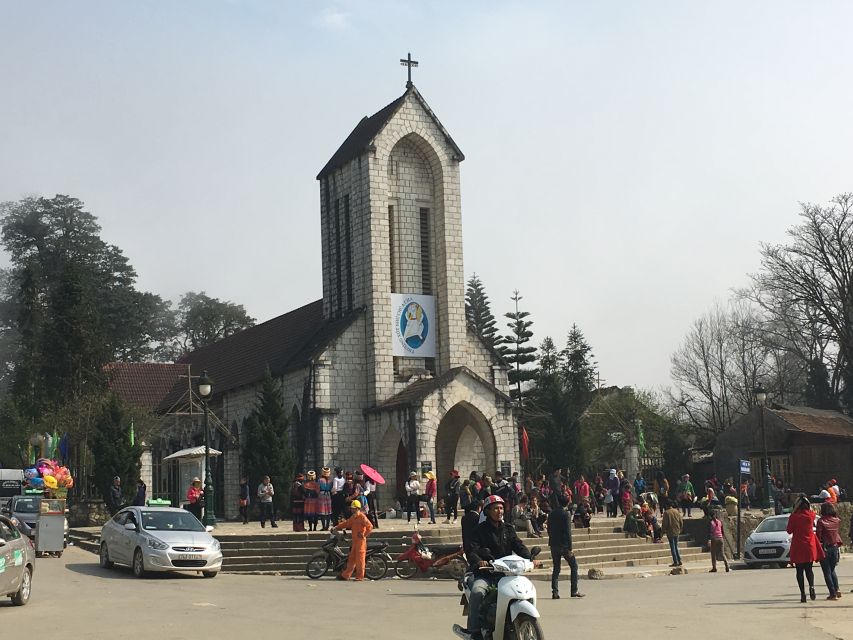
Book it if the idea of walking from Lao Chai to Ta Van and onward toward Y Linh Ho and Ban Ho sounds more appealing than simply taking photographs from a Sapa viewpoint. The combination of local guides, included meals, limousine transport, and two nights makes $199 a fair package price.
Skip it if you want a relaxed mountain break or if a 12 to 15 kilometer trek would make the trip stressful. Before booking, confirm the accommodation type, prepare for cold and wet weather, and budget separately for dinner, drinks, and Fansipan. For an active first visit to Sapa, this is a practical way to reach the villages and scenery without arranging every piece yourself.
FAQ
Where does the tour start and end?
Pickup is available from hotels in Hanoi’s Old Quarter, with the stated meeting point at 31 P. Lò Sũ. The tour ends back at the same meeting point area after returning from Sapa.
How long is the journey between Hanoi and Sapa?
The limousine ride takes about five and a half hours each way. The outward trip includes a couple of breaks, and the return usually reaches Hanoi around 9:00 PM.
How difficult is the trekking?
Day one is an easy trek of about four kilometers over roughly two hours. Day two is challenging and covers approximately 12 to 15 kilometers, with rain making the route more difficult.
Is Fansipan included?
No. Fansipan tickets and any related tour are not included. You can arrange a visit during the free morning on Day 3, with help from the hotel receptionist.
What accommodation is provided?
The package includes two nights in a hotel or homestay, depending on the option selected. The homestay provides only basic amenities.
What meals are included?
The tour includes two breakfasts and three lunches. Dinner and drinks are not included.
More 3-Day Experiences in Hanoi
- From Hanoi: Premium 3-Day Sapa Adventure with DCAR Limousine
★ 4.8 · 27 reviews - 3-Day Sapa Tour from Hanoi by Luxury Limousine Transfer
★ 3.5 · 7 reviews - Sapa 3D2N Homestay and Hotel Experience by Limousine Bus
★ 5.0 · 5 reviews - From Hanoi: Sapa 3-Day Medium Trek and Limousine Trip
★ 4.5 · 59 reviews
Just added in Hanoi
- Ninh Binh 2D1N Excursion from Hanoi by Limousine★ 4.5 · 6 reviews
- Hanoi : Halong Bay 7-Hour Luxury Cruise with Limousine Transfer★ 4.0 · 4 reviews
- Full Day Tour in Hanoi City by Limousine Bus★ 5.0 · 9 reviews
- Bai Dinh pagoda – Trang An 1 day with Limousine bus★ 5.0 · 4 reviews
- Hanoi To Sapa or Return Luxury Limousine Bus Transfer★ 5.0 · 2 reviews
- Sapa 3D2N Homestay and Hotel Experience by Limousine Bus★ 5.0 · 5 reviews
- Private Transfer Dcar Limousine Ha Noi – Ha Long★ 5.0 · 2 reviews
- Full Day Hoa Lu Tam Coc Excursion from Hanoi by Limousine★ 4.0 · 4 reviews
Private Day Trips by Car, compared.
2-Day Sa Pa Ethnic Homestay Tour & Trek with Limousine Bus
Read our review →
Halong bay 5star Cruise Day Trip: Buffet lunch & Limousine bus
Read our review →
Halong Bay Day Tour 6Hour Deluxe Cruise Limousine Bus Small Group
Read our review →
2-Day Sapa Trek Tour – Luxury Limousine Transfer
Read our review →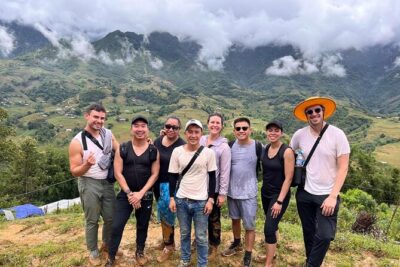
2-Day Overnight Sapa Tour by Luxury Van Limousine
Read our review →
Ninh Binh Luxury Day Tour by Limousine- Small Group- All included
Read our review →
Ninh Binh Day Tour Tam Coc Mua Cave Hoa Lu Buffet Lunch Limousine
Read our review →Browse the lists this tour appears in