
REVIEW · LOS ANGELES
Manson Family Murders Funeral Limo Tour in LA
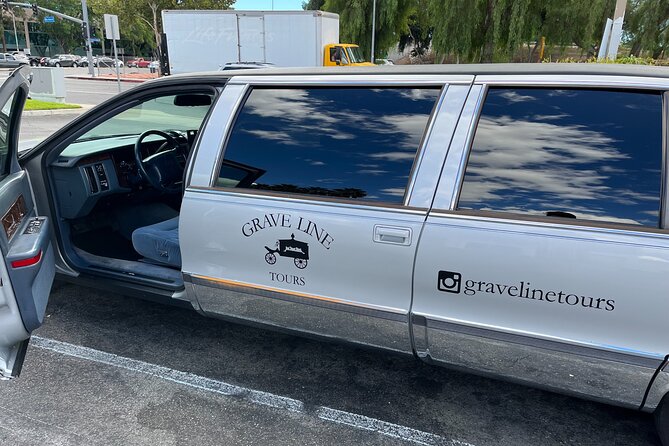
The past still haunts Hollywood. This three-hour Manson Family Murders tour uses a Cadillac funeral limousine, music, interviews, and careful storytelling to explain one of Los Angeles’ most misunderstood criminal cases. I like the historical approach, and I like that the small group size, capped at eight, gives the guide room to answer questions. The main drawback is clear: this is disturbing material, not a light sightseeing ride.
I also like the way the tour gets you beyond central Hollywood. You visit the former Tate and Polanski property, the LaBianca murder house, the former Spahn Movie Ranch site, and a location tied to Dennis Wilson and Manson. The route adds a useful look at 1960s Los Angeles culture, but you should not expect preserved crime scenes or a museum-style attraction at every stop.
Key points before you book
- The Cadillac funeral limousine shapes the experience: You ride in a comfortable, unusual vehicle that makes the tour feel different from a standard minibus outing.
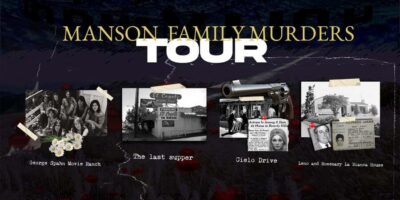
- The tour visits four important locations: The route covers the Tate and Polanski cottage site, the LaBianca house, the former Spahn Movie Ranch, and a place linked to Manson’s nights out with Beach Boy Dennis Wilson.
- Guides are the strongest part: Ansley, Blaze, and Adam have received especially warm praise for their storytelling, preparation, patience, and respectful treatment of the victims.
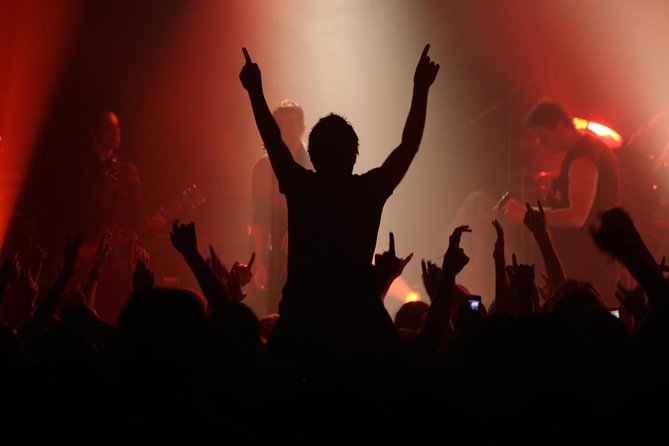
- Music and interviews set the period: The guide may use era music and recorded interviews, with visual background material available to passengers who have smartphone data access.
- The group is small: A maximum of eight people makes it easier to hear the guide and ask questions during the three-hour ride.
- The subject matter is intense: This tour is best for adults interested in crime, social history, and Los Angeles culture, not for anyone upset by graphic or emotionally heavy stories.
What this Manson tour is really about
The name may suggest a sensational true-crime outing. The experience described here aims for something more measured. Its purpose is to place the murders within the social world of late-1960s Los Angeles, explain the known facts, and address theories that have surrounded the case over the decades.
That distinction matters. The crimes are awful, and the victims should not become background scenery for entertainment. The strongest parts of the tour appear to be the moments when the guide brings attention back to the people who died, the culture surrounding the Manson Family, and the way the case has been misunderstood.
You ride through Los Angeles while the story unfolds around you. That gives the tour a sense of place that a book or documentary cannot quite provide. You see the streets, hills, and neighborhoods connected to the case, even though some original buildings are gone or changed.
The tone depends partly on your guide. Blaze is repeatedly praised for combining humor, warmth, and accurate detail without losing sight of the subject’s seriousness. Ansley is also singled out for her preparation, friendly manner, and ability to hold attention throughout the ride. Adam receives praise for a thoughtful historical approach and for making the limousine comfortable as well as informative.
More funeral limo tours in the USA:
- Death Becomes Her Funeral Limo Tour of Los Angeles
★ 5.0 · 25 reviews - Hollywood Horror Story: The Black Dahlia Funeral Limo Tour
★ 5.0 · 18 reviews - A Star is Torn funeral limo tour of LA
★ 5.0 · 12 reviews
Starting at Ovation Hollywood at 10:00 a.m.
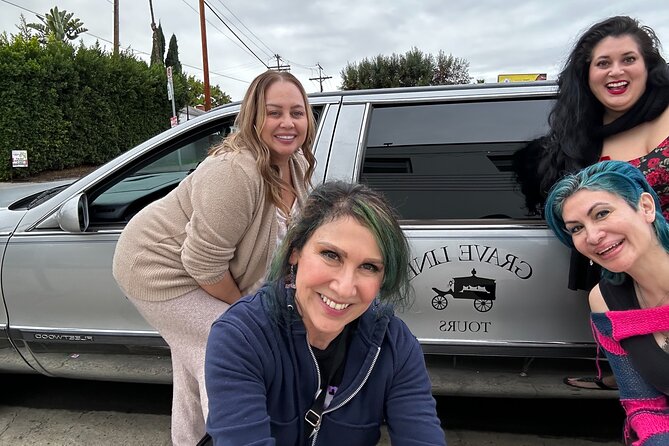
The tour begins at Ovation Hollywood, 6801 Hollywood Boulevard, at 10:00 a.m. This is a practical meeting point if you are already sightseeing around Hollywood, and it is near public transportation.
Arrive with enough time to find the exact meeting spot. Los Angeles traffic can be unpredictable, and one passenger noted that Blaze was patient and helpful after a 15-minute delay caused by a traffic jam. That is reassuring, but I would not use it as a reason to cut things close. A late start can affect a small group more than it affects a large bus tour.
The activity ends back at the same meeting point. That makes the tour easy to fit into a day of sightseeing. You could schedule it early, then continue around Hollywood afterward, or use it as a focused morning before heading elsewhere in Los Angeles.
The tour is offered in English. It uses a mobile ticket, and visual background material is available to passengers with smartphones and data access. Bring a charged phone if you want to follow that material.
Riding in the funeral limousine
The vehicle is one of the tour’s most distinctive features. Several descriptions refer to a Cadillac limousine or funeral limousine, with one passenger comparing the ride to seeing Hollywood from a comfortable living room. That is a more intimate setting than a typical open-air sightseeing bus.
The funeral theme is deliberately dark, but it fits the subject. It also gives the ride a theatrical quality without requiring elaborate attractions at every stop. You are not simply being driven from address to address. The vehicle, soundtrack, and narration work together to create a period-focused presentation.
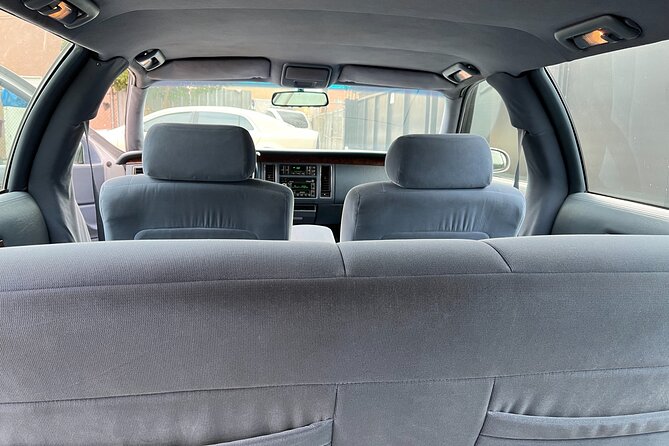
Comfort matters during three hours in a car. Adam is praised for providing a comfortable vehicle, and the small capacity helps avoid the crowded feel of a large coach. Still, anyone who dislikes confined transport should keep the format in mind. Most of the experience takes place from your seat, with short opportunities to pause at places of interest.
The small group can also make the tour feel more personal. With no more than eight people, you should have a better chance of hearing the guide clearly and asking questions. It also means the group’s mood matters. A quiet, respectful group will suit the material better than a loud or jokey one.
The Tate and Polanski cottage site
One major stop covers the former home associated with actress Sharon Tate, Roman Polanski, and the five victims killed there. The original cottage no longer provides a preserved crime-scene experience, so you should come for the setting and explanation rather than a historic interior.
This is where the guide’s context matters most. A good presentation can explain why the address became central to the case while keeping attention on the lives lost, not just the notoriety of the killer. The location helps you understand the geography of the event, but the meaning comes from the narration.
Expect a stop that may be brief. The tour covers several locations in roughly three hours, and residential sites are not conventional visitor attractions. You may have time to look, listen, and take photographs from an appropriate public position, but do not expect to enter private property.
The emotional weight is greater here than at a normal film-location stop. If you are sensitive to violent crime, this may be the point where you decide the tour is not right for you.
A few more limousine trips in the USA worth a look
- Arrival Transfer: Private Luxury 8 Passenger Limousine Service
★ 4.0 · 1,051 reviews - Maui: Road to Hana Luxury Limo-Van Tour with Helicopter Flight
★ 5.0 · 762 reviews - Giant Shopping Cart Limo Ride in Las Vegas
★ 5.0 · 677 reviews - Private Arrival Transfer: From LAS Airport by SUV or Luxury Limo
★ 4.0 · 452 reviews
The LaBianca murder house
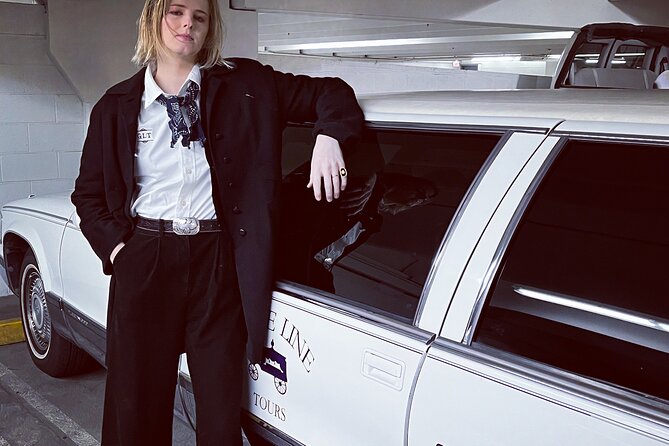
The route continues to the house connected with the murders of Leno and Rosemary LaBianca. Like the Tate site, this is an actual location within a residential setting rather than a museum.
That difference is useful to understand before booking. You are not visiting an attraction built around artifacts, displays, or preserved rooms. You are looking at a place within the city and hearing the story that gives it significance.
The LaBianca stop broadens the case beyond the better-known Tate murders. It helps show that the events involved more than one address and more than one family. A guide who explains the connections carefully can give you a clearer picture than a short television segment or a sensational headline.
The stop may also feel less visually dramatic than you expect. That is not a flaw in the tour so much as a fact about real crime locations. Houses remain houses. Their importance comes from what happened there and from the people who explain it responsibly.
The former Spahn Movie Ranch site
The tour then travels to the state park area where the old Spahn Movie Ranch once stood. This was associated with the Manson Family and provides a different kind of setting from the urban homes.
The ranch site lets the story move from murder locations to the wider world in which the Family lived. It adds a social and geographic layer, showing how the group’s identity was tied to a former film-ranch environment rather than only to the crimes that later defined it.
Do not expect the original ranch to remain intact. The information provided identifies the former site, not a surviving attraction with buildings you can tour. What you gain is the setting, the route, and the guide’s account of the place.
This is also likely to be one of the more scenic portions of the drive, though the tour is not sold as a nature excursion. The value lies in connecting the physical site to the case. Music and interviews can be especially effective here, helping establish the period without turning the location into a theme-park display.
The Dennis Wilson connection
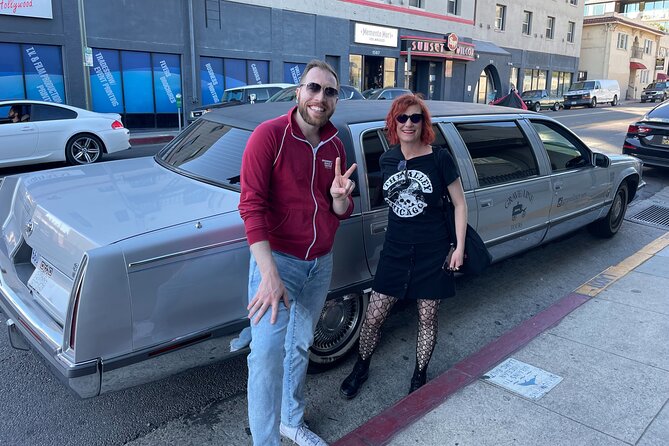
Another stop focuses on where Manson spent hedonistic nights out with Beach Boy Dennis Wilson during the summer of 1969. This part adds a Hollywood and music-industry connection to the story.
It is an important reminder that the case reached into Los Angeles’ creative circles. The Dennis Wilson material may be particularly interesting if you enjoy music history as much as crime history. It also gives the guide a chance to explain the social links around Manson rather than presenting him as an isolated figure.
The supplied details do not identify the exact modern address or promise an interior visit. You should expect a narrated stop or drive-by, not access to a private home. That is typical for a route based around real residential and historical locations.
The best use of this stop is to listen closely. The guide’s interviews and period music can help you understand the atmosphere of the time, while the narration separates documented events from later speculation.
Why the soundtrack and interviews matter
This tour uses more than spoken commentary. Guides have played music from the era and interviews at appropriate points along the route, creating a sense of time and place.
That feature received some of the strongest praise. Blaze is noted for choosing music and interviews that matched the locations, while Ansley is praised for making the ride feel like a trip back to the 1960s and 1970s. Used well, those recordings add atmosphere without replacing the facts.
The soundtrack will not suit everyone. If you prefer quiet sightseeing, a guide-led walk, or a formal lecture, the audio elements may feel theatrical. If you enjoy documentaries and want more than a list of addresses, they should make the three-hour ride easier to follow.
Visual background material is available for passengers with smartphone data access. Bring your own phone and data connection if you want that extra layer. The experience does not promise printed material or a separate museum exhibit.
The guides: Blaze, Ansley, and Adam
The guide can make or break a crime-history tour. Here, the most praised names are Blaze, Ansley, and Adam.
Blaze is repeatedly described as friendly, patient, funny, and well prepared. The strongest praise focuses on her storytelling. She keeps the ride moving, answers questions, and handles the grim subject with respect. One family group also enjoyed a stop at a famous hot dog stand associated with Manson, though that stop is not included in the formal route provided here, so you should not assume it will be part of every departure.
Ansley is praised for her detailed preparation and positive manner. Her use of music and interviews appears to help the tour feel like a guided journey through the period rather than a simple drive between addresses.
Adam is described as warm, thoughtful, and historically focused. His approach is especially suited to people who want facts, cultural context, and discussion of theories rather than only dramatic crime details.
The exact guide may vary. That means you should judge the company’s overall approach rather than book solely around one person. The feedback points to a consistent emphasis on lively storytelling and respect for the victims, but individual presentation styles will differ.
Is the $93.08 price fair?
At $93.08 per person, this is not a cheap sightseeing ride. The price covers about three hours, transportation in a distinctive limousine, a small group, guiding, and a route that reaches several parts of Los Angeles.
I think the value is strongest if you specifically want this subject. You are paying for interpretation and access to a structured route, not for admission to buildings or a collection of physical exhibits. If you only want to see famous Hollywood streets, a standard city tour will cost less and cover more familiar sights.
The small group improves the value. A maximum of eight people gives the guide room to respond to questions, and you avoid the anonymous feel of a large coach. The limousine also makes the experience unusual enough to feel like a special-interest outing rather than ordinary transport.
The price makes less sense if you are only mildly curious about the Manson case. The stops may not mean much without a strong interest in the history, and some locations are viewed from outside or from the vehicle. Read the tour as a guided historical experience with transportation, not as an attraction-packed excursion.
A coffee and light snack purchase is available about halfway through the tour, but snacks are not included. Plan to eat before departure, or bring money for the midway stop.
Who should book this tour?
I would recommend it to you if you enjoy:
- Los Angeles social history
- Criminology and criminal investigations
- True-crime documentaries with historical context
- Music and counterculture stories from the late 1960s
- Small-group tours with a strong guide
- Unusual sightseeing formats
It suits solo visitors, couples, friends, and families with mature older children. The ride is social but not built around physical activity, so most people can participate.
I would not recommend it if you are upset by graphic violence, grieving a recent loss, or hoping for a cheerful Hollywood tour. The case involves brutal murders, and the presentation can include disturbing details. The provider specifically warns people who are sensitive to extreme subject matter or emotionally upset by disturbing content.
You should also keep expectations realistic. The tour does not promise entry into the former Tate and Polanski cottage, the LaBianca house, or private residences. Its strength is the combination of place, narration, soundtrack, and context.
Booking details worth knowing
The tour is typically booked well ahead, with an average booking time of about 31 days. That suggests you should reserve early if your Los Angeles dates are fixed, especially because the group is limited to eight people.
Confirmation arrives at booking. Free cancellation is available up to 24 hours before the start time. Changes or cancellations made within 24 hours are not accepted for a refund.
The tour requires good weather. If poor weather causes cancellation, you will be offered another date or a full refund. Since the experience involves driving and stopping around Los Angeles, check the forecast before you go.
Should you book the Manson Family Murders Funeral Limo Tour?
Book it if you want a focused, serious look at a dark chapter of Los Angeles history, and if the idea of a small Cadillac limousine tour appeals to you. The guides, especially Blaze, Ansley, and Adam, are the main reason this experience earns such strong praise. Their storytelling, period music, interviews, and attention to context give the route purpose.
Skip it if you want a general Hollywood tour, dislike disturbing crime stories, or expect preserved buildings and museum displays. For the right audience, the $93.08 price buys a distinctive three-hour lesson in place and memory. For everyone else, it may feel too grim and too specialized.
FAQ
Where does the Manson Family Murders tour begin?
It begins at Ovation Hollywood, 6801 Hollywood Boulevard, Hollywood, California 90028.
What time does the tour start?
The scheduled start time is 10:00 a.m.
How long does the tour last?
The experience lasts approximately three hours.
Where does the tour end?
The tour ends back at the meeting point at Ovation Hollywood.
What locations are included?
The route includes the former Tate and Polanski cottage site, the LaBianca murder house, the state park area where Spahn Movie Ranch once stood, and a location connected with Manson’s nights out with Dennis Wilson.
How many people can join the tour?
The maximum group size is eight people.
Is the tour suitable for people sensitive to disturbing content?
No. The tour is not recommended for people who are sensitive to extreme subject matter or emotionally upset by disturbing content.
Just added in the USA
- Stretch Limo Party Cart – Custom Bar Crawls, Wine Tastings, Night Clubs & More★ 5.0 · 2 reviews
- 6-HourTour of Los Angeles, Hollywood, Beverly and other cities!!★ 5.0 · 6 reviews
- Limo Tour: Hollywood, Beverly Hills, Santa Monica, Venice, Malibu★ 5.0 · 4 reviews
- Private 5-Hour Limo Tour of Los Angeles and Beach Cities★ 3.5 · 3 reviews
- 6-Hour Private Limousine Santa Barbara Wine Tour★ 4.0 · 4 reviews
- 8-Hour, Private Limo Wine Tour to Napa from San Francisco★ 5.0 · 11 reviews
- A Black Car, Limousine, & SUV service in San Antonio and south Texas.★ 5.0 · 3 reviews
- 6 Hour Private Wine Country Tour (Sedan, SUV or Limo)★ 5.0 · 3 reviews
Funeral Limo Tours, compared.
Death Becomes Her Funeral Limo Tour of Los Angeles
Read our review →
Hollywood Horror Story: The Black Dahlia Funeral Limo Tour
Read our review →
Browse the lists this tour appears in